
 Facebook
 X
X
 Pinterest
 Copy Link
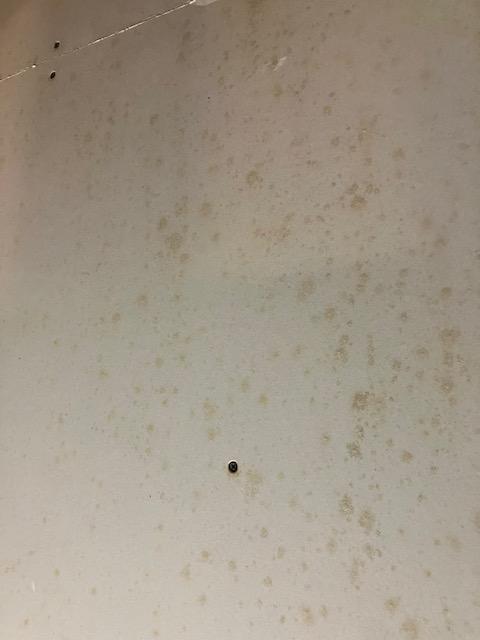
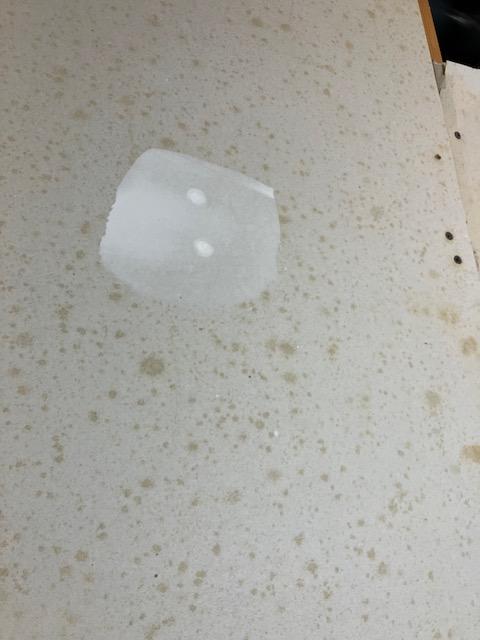
Mold On Ceiling Tile
By Frank Dolski, Associate Broker | Coldwell Banker Hearthside Realtors | Global Luxury Realtor
During my more than 23 years in real estate, I have encountered mold and moisture-related concerns in homes ranging from older properties to newer construction and luxury residences. When mold is discovered during a home inspection, my advice to buyers and sellers is simple: take the issue seriously, determine why it occurred, and address it properly—but don’t assume mold automatically means a catastrophic problem with the home. Mold is relatively common in residential properties because mold spores naturally exist in our environment. The critical issue is generally moisture. Mold can grow when moisture is present on materials such as drywall, wood, insulation, carpeting and other building products. The EPA emphasizes that moisture control is the key to controlling indoor mold growth.
What Causes Mold in a Home?
When mold is discovered, I believe the first question should not simply be, “How do we remove the mold?”
The more important question is:
“What caused the moisture that allowed the mold to develop in the first place?”
Common sources can include roof or flashing leaks, plumbing leaks, foundation or basement water intrusion, improper grading, clogged or poorly functioning gutters and downspouts, condensation, elevated indoor humidity, HVAC or condensate issues, inadequate ventilation, bathroom exhaust problems, improperly vented dryers, window or exterior-envelope leaks, and previous water damage that was not completely dried.
In basements, crawlspaces and attics, moisture conditions can sometimes exist for an extended period before a homeowner realizes there is a problem.
This is why simply cleaning or treating visible mold may not be enough.
Mold Remediation Should Address the Cause
From a real estate perspective, this is extremely important.
If a seller agrees to professionally remediate mold, I generally want the remediation professional to go beyond merely treating the visible mold. The underlying moisture source should also be investigated.
A comprehensive approach should include:
- Identify the affected areas.
The professional should determine the location and approximate extent of the mold or suspected microbial growth and consider whether additional growth may be concealed behind walls, ceilings, insulation, flooring or other building materials. - Determine the moisture source.
The professional should investigate why conditions favorable to mold developed. This could involve a plumbing leak, roof leak, foundation moisture, condensation, excessive humidity, improper ventilation or another source. - Correct the underlying condition.
Once identified, repair or otherwise correct the moisture source as appropriate. This may require another qualified contractor, such as a plumber, roofer, HVAC professional, waterproofing contractor or other specialist. - Establish appropriate containment.
Depending upon the extent of the problem, professional remediation may involve isolating the affected area so that mold spores and contaminated dust are not unnecessarily distributed into unaffected portions of the home. - Remove materials that cannot reasonably be salvaged.
Certain porous materials with significant contamination may need to be removed and properly disposed of rather than simply sprayed, painted or covered. - Clean and remediate salvageable materials.
Appropriate professional methods may include cleaning, HEPA vacuuming and other remediation procedures based upon the affected material and circumstances. - Thoroughly dry the affected area.
Cleaning mold without resolving excessive moisture is not a long-term solution. The affected building materials and surrounding environment must be properly dried. - Perform final cleaning.
Once contaminated materials have been removed or remediated, thoroughly clean the work area according to the remediation protocol being followed.
Why Moisture Control Is So Important
The EPA’s position is straightforward: moisture control is the key to mold control.
The EPA recommends correcting plumbing and building-envelope leaks, addressing condensation and wet areas, maintaining appropriate ventilation, and controlling indoor humidity. It also recommends drying wet or damp materials as quickly as possible, generally within approximately 24–48 hours when practical.
That is why I don’t like seeing mold remediation treated simply as a cosmetic repair.
Painting over an area, applying a product to visible mold, or replacing a piece of drywall without determining why it became wet may improve the appearance of the area, but it does not necessarily solve the underlying problem.
The objective should be to correct the condition that allowed the mold to develop so that the likelihood of recurrence is reduced.
What About “Black Mold”?
Buyers understandably become concerned when they hear the term “black mold.”
However, color alone does not establish the type of mold or the significance of the condition. There are many different types of mold, and professional evaluation or testing may be appropriate depending upon the circumstances.
As a Realtor, I don’t attempt to identify mold species, determine health risks or provide environmental conclusions. Those determinations belong with qualified mold, indoor-air-quality, environmental and medical professionals.
My responsibility is to recognize when an issue warrants professional attention and help my client navigate the real estate implications.
Mold Testing vs. Mold Remediation
Testing and remediation are two different functions.
A qualified mold or environmental professional may inspect the property, evaluate moisture conditions and, when appropriate, perform air or surface sampling.
A remediation contractor performs the actual corrective work.
Depending upon the situation, it may be beneficial for the person evaluating or testing the condition to be independent of the company performing the remediation. This can provide an additional level of objectivity, particularly when the condition is significant.
Post-Remediation Verification
For more substantial mold conditions, buyers may want to consider post-remediation verification or clearance testing by an independent qualified professional after the remediation work has been completed.
The purpose is to help determine whether the remediation work was completed satisfactorily based upon the applicable scope or protocol and whether additional corrective work may be warranted.
The circumstances of every property are different, so the appropriate level of evaluation should be determined by qualified professionals.
Mold and the Home-Selling Process
When mold is discovered during a real estate transaction, communication and documentation are extremely important.
If professional remediation is performed, I generally recommend maintaining documentation such as:
- The original inspection or mold evaluation.
- The remediation company’s written scope of work.
- Identification of the suspected moisture source.
- Documentation of repairs made to correct that source.
- Paid invoices and receipts.
- Photographs, when available.
- Any warranties provided by the remediation contractor.
- Post-remediation reports or clearance documentation, if performed.
Good documentation helps establish what was discovered, what caused it, what was done to correct it and who performed the work.
That can be extremely valuable to both the current homeowner and a future buyer.
My Advice to Sellers
If mold is discovered in your home, don’t panic and don’t attempt to hide it.
Address it.
Have the condition professionally evaluated when appropriate, determine the source of the moisture, correct that condition, properly remediate the affected area and retain documentation of the work.
In my experience, buyers are generally much more comfortable with a problem that has been properly identified, professionally corrected and documented than with an unexplained condition or a repair that appears cosmetic.
My Advice to Buyers
If you discover mold during your inspection, gather the facts before assuming the worst.
Ask:
Where is the mold?
How extensive is it?
What caused the moisture?
Has the moisture source been corrected?
Who will perform the remediation?
What materials need to be removed?
Will the work be documented?
Should an independent professional perform post-remediation verification?
Those questions can be considerably more valuable than simply asking whether a house “has mold.”
The Most Important Point
After more than two decades representing buyers and sellers, I believe the most important principle regarding mold remediation is this:
Don’t just treat the symptom—identify and correct the cause.
If mold resulted from a leaking pipe, repair the pipe.
If it resulted from a roof leak, address the roof.
If improper drainage is allowing water against the foundation, address the drainage.
If excessive humidity or condensation is contributing to the problem, determine why and correct the condition.
Professional remediation should be about more than making visible mold disappear. It should be about removing or properly treating the affected materials, correcting the moisture condition and helping prevent the problem from recurring.
Every property and every mold condition is different. Buyers and sellers should rely upon qualified mold remediation, environmental, building, HVAC, plumbing, roofing, and other appropriate professionals for technical evaluations and recommendations. I had a recent sale in Malvern, PA, a month ago where the mold inspection company missed 90% of the mold. (not my recommended inspector) The two pictures are examples of mold on the basement ceiling and drywall. I represented the buyers, and a mold remediation specialist came out and showed us the mold the inspector missed. The basement was remediated for around $8000, but the point is: as a homeowner, make sure you hire a very good mold inspector. Don’t just look on Yelp or Nextdoor, etc. Most Realtors, like myself, have contractors and inspectors for just about everything.
As your Realtor, my responsibility is to help you understand the real estate implications, ask the right questions, obtain appropriate professional guidance, document the corrective work and protect your interests throughout the transaction.
Frank Dolski
Associate Broker | Global Luxury Realtor
Coldwell Banker Hearthside Realtors
Licensed in Pennsylvania & New Jersey
23+ Years of Real Estate Experience
Frank@frankdolski.com (email)
213-803-3237 (mobile)
215-794-1070 ext #103 (office
www.FrankDolski.Com (website)
“Going Above And Beyond The Sale.”
This information is provided for general real estate educational purposes and should not be considered environmental, engineering, medical or legal advice. Mold and moisture conditions should be evaluated by appropriately qualified professionals.
